
Storm Cleanup
Hail and Storm Damage Cleanup in Lubbock: What to Do With the Debris
Hail season on the South Plains runs March through June, and after a big cell the whole market books out in days. Here is how to document, sort and haul storm debris without losing time.
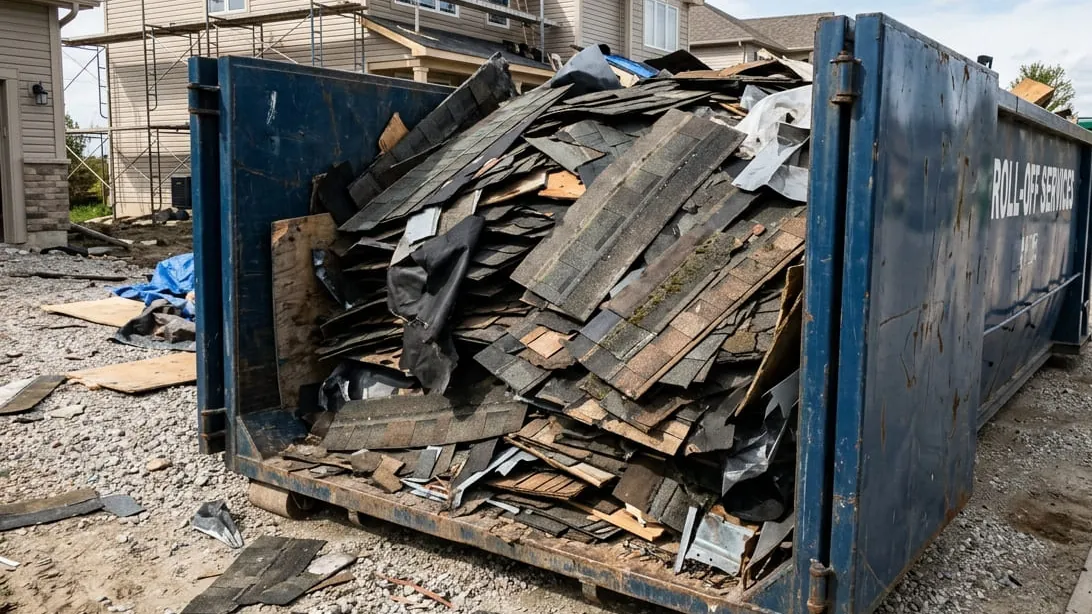
The cell comes through around four, it lasts fifteen minutes, and by the time the sky clears you are in the driveway looking at shingle grit all over the concrete, a bent gutter hanging off the fascia and a fence panel flat in the neighbour's grass. Everybody on the block is outside doing the same thing. That is a normal spring evening in Lubbock, and what you do in the next forty-eight hours matters more than anything you do in the following two months.
The homeowners who come out of a hail event cleanly are not the ones who work hardest. They made three phone calls the same night, photographed everything before touching it, and understood that tear-off is a weight problem, not a space problem.
Hail season here is a calendar item, not an accident
Lubbock sits in a serious hail corridor. The season runs roughly March through June, with May usually the worst of it, and in a given year the South Plains takes multiple damaging cells. This is not freak bad luck. It is annual, and the roofing trade, the adjusters and the container fleet all plan around it.
That should change your posture. If your roof is fifteen years old and asphalt, assume it takes a hit eventually. Watching the National Weather Service through the spring and knowing which roofers answer the phone is cheap preparation.
The surge problem: calling early beats everything else
Here is the part nobody warns homeowners about. A big cell does not damage one house. It damages a few thousand at once inside a couple of square miles. Within three days every reputable roofing crew in Lubbock is booked out, out-of-town storm chasers are knocking doors, adjusters are running triple their normal caseload, and roll-off availability tightens across the whole market at the same moment.
So the sequence is: open the claim, call a roofer you have actually vetted, then get a container on the schedule. Do all three the same evening. You are not committing to a tear-off date you do not have yet — you are getting into queues that are about to get very long. We hold capacity back for storm weeks and run same-day and next-day delivery where we can, but after a major event even that gets thin. The homeowner who calls Wednesday night gets a box. The one who calls Monday waits.
Document before you demolish
Do not clean up first and call the insurer after. Once the debris is gone, so is your evidence.
- Photograph everything from multiple angles — wide shots of the elevation, mid-range shots showing damage in context, close-ups with a coin or tape for scale. Shoot the roof from the ground with a zoom rather than climbing on it.
- Photograph the hail itself if any is still on the ground, and note the time.
- Keep physical samples — a damaged shingle, a piece of dented siding, a cracked soffit panel, set aside in the garage. If a claim gets questioned later, a sample beats an argument.
- Photograph the interior if there is water staining on ceilings or windows, and date it.
- Write down what happened while it is fresh: time, duration, hail size, wind direction.
Then get the claim opened before the debris leaves the property. Texas insurance rules and claim deadlines change, and every policy has its own notice requirements, so confirm what applies to you with your carrier and check current guidance with the Texas Department of Insurance rather than taking a contractor's word at the door.
The debris profile of a hail and wind event
Storm cleanup is never one material. Shingle tear-off is the heavy one — asphalt and dimensional dominate here, measured in squares and layers, not yards. Fascia and soffit come off with the gutters and downspouts, which are almost always aluminium. Window screens shred, usually every one on the storm-facing side at once, and siding punctures. Fence panels and posts go down in wind, and the posts arrive with concrete footings attached, which is a weight item people forget. Patio covers, carports and shed roofs peel, usually light-gauge metal with framing hanging off it. And there is always shredded landscaping and broken limbs, because every tree in this city was planted by hand and none of them are built for 70 mph.
Size by weight, not by volume
This is where homeowners get it wrong, and it is the most expensive mistake in storm cleanup. A tear-off blows a weight allowance long before it fills the box. Shingles are dense, heavier if it rained, and layers stack up — plenty of Lubbock houses carry two because somebody roofed over the original in the eighties.
A container that looks half empty can already be at legal road weight, and there is no negotiating with that. An overweight roll-off cannot legally leave your driveway, and it becomes a second trip anyway with part of the load pulled off by hand. A smaller container hauled twice beats one big box you cannot move. I would far rather set a 20 yard roll-off and swap it than drop a 40 you fill one-third deep with shingle and concrete footings.
The working rule for a mixed job: dense material in one box sized for weight, bulky light material in another sized for volume. Our roofing tear-off size guide works through squares and layers, and the general Lubbock size guide covers mixed loads. A dedicated roofing dumpster set tight to the drip edge saves the crew hours of wheelbarrow work, and protection boards under the rails matter when a truck is setting a heavy box.
Storm debris: where each stream goes
| Storm debris type | Container or other route | Sizing note |
|---|---|---|
| Asphalt or dimensional shingle tear-off | Dedicated roofing roll-off at the drip edge | Sized by squares and layers. Weight caps out before the box fills; two layers roughly doubles it. |
| Fascia, soffit, trim, decking offcuts | General construction and demolition load | Bulky and light. Rides on top of the heavy layer, and it is what the wind takes. |
| Gutters, downspouts, screens, roofing metal | Pull out for scrap | No weight, real value. Ten minutes of sorting keeps volume out of the paid box. |
| Vinyl, hardboard or fibre-cement siding | General construction and demolition load | Very light per yard. Break panels flat or it fills the box on appearance alone. |
| Fence panels and pickets | General load, or a clean wood load at volume | Stack flat. A leaning panel wastes a third of the box. |
| Fence posts with concrete footings | Heavy debris load, or split across boxes | Serious weight. Twenty footings outweigh the panels they held up. |
| Patio cover, carport and shed roof panels | General load, or scrap if the metal is clean | The classic flyaway. Fold it and bury it under heavier debris. |
| Broken limbs and clean brush | Separate clean brush load or city brush collection | Uncontaminated, it gets ground for mulch. Cut to length so it packs. |
| Shredded landscaping, sod, storm-blown soil | Heavy debris load | Among the densest material you can load. Keep the volume small. |
| Insulation, housewrap, sheeting, wrappers | General load, capped and tarped | Nearly weightless, maximum flight risk. Load early, bury it, cover it. |
Separate the streams while it is easy
Metal. Gutters, downspouts, screens, roofing metal, aluminium patio panels and stray flashing all have scrap value and all take up container space you are paying for. Stage them on a tarp along the fence line as you go. Our notes on recycling and disposal in Lubbock County cover where it goes.
Clean brush. Limbs and green waste are better as a separate clean load. To be clear on the rule: Texas has no statewide ban on yard waste in landfills, so anyone telling you otherwise is guessing. But the City of Lubbock runs brush collection and a citizens collection station, and clean brush gets ground into mulch rather than buried. Throw one bag of shingle in and the load becomes ordinary landfill waste. At volume, a dedicated yard waste container keeps it clean. Confirm current schedules with the City of Lubbock, since municipal programmes change.
The wind will empty your container if you let it
Storm debris is the worst possible material for Lubbock wind, because so much of it is light and flat. Insulation, housewrap, screens, siding offcuts and thin metal will redistribute themselves across three blocks on an ordinary 35 mph afternoon, and spring here beats that regularly.
Load heavy on the bottom and cap heavy on top. Keep everything below the rails — no heaping, ever. Bury the light material instead of throwing it on last. Tarp or net the box any time you walk away, tied on all four sides, and lay a few sheets of decking across a short load overnight as a wind cap. More in our guide to securing a load against Lubbock wind and dust.
Tornado and straight-line wind events
Hail is the routine event. The other kind is not, and this region does not treat warnings casually. The 11 May 1970 F5 tornado killed 26 people and reshaped downtown Lubbock, and it is a direct reason the warning system and the local Weather Service office are what they are. Straight-line wind flattens fences, outbuildings and mature trees across whole neighbourhoods without a tornado ever touching down.
After a declared event the city or county may run right-of-way debris collection. It is free. It is slow, with passes sometimes weeks apart. It is strictly sorted — vegetative, construction, appliances, hazardous — and a contaminated pile gets skipped. And it covers storm debris you place in the public right-of-way, not material you carry out of the house yourself. Your gutted interior and garage contents stay your problem. Most people do both: a right-of-way pile for the tree and fence, a container in the driveway for the rest. Rules are set per declaration and change, so confirm current terms with the city or county first.
Safety, because storm cleanup hurts people
- Downed lines are live until the utility says otherwise. Never touch a line, or a fence or limb touching one.
- Stay off the roof. A wet roof is dangerous and a hail-damaged one with hidden punctures is worse. That is what the roofer is for.
- Nails are everywhere. Tear-off scatters them across the yard, drive and street. Stiff-soled boots, real gloves, eye protection.
- Run a magnet sweep over the yard, driveway and street frontage when the container leaves, then again a week later.
- Watch the second storm. Cells cluster in this season. Never leave an uncovered load through another warned afternoon.
What cannot go in the container
- Propane cylinders and any pressurised tank
- Fuel, oil, solvents, pool chemicals, pesticides, leftover paint
- Tyres and any lead-acid battery
- Electronics, and appliances containing refrigerant
- Any asbestos-containing material — a real risk on a pre-1980 house, where old roofing felt, some siding products and transite panels can all contain it. Asbestos in Texas is regulated by the Texas Department of State Health Services, demolition generally triggers inspection and notification, and we cannot accept it in any container. Rules change, so verify before disturbing suspect material.
Household chemicals and leftover paint go to the City of Lubbock citizens collection station or a county household hazardous waste event, never into the box. Our list of what can and cannot go in a dumpster in Lubbock County covers the rest, and if the storm took a structure down, that is a demolition debris conversation.
Get in the queue tonight
Open the claim, photograph everything, book a roofer you have checked out, and reserve a container before the market seizes up. PK's Dumpster Rental Lubbock has worked South Plains storm seasons since 2015 — 10, 15, 20, 30 and 40 yard roll-offs, flat-rate pricing, protection boards standard, next-day swap-outs, and service across Lubbock, Lubbock County and the South Plains. Tell us the roof size, the layers and what else came down, and we will size it so it can legally leave your driveway. Call (806) 758-7942 or get in touch.
Questions this guide did not answer? Call (806) 758-7942. We would rather spend two minutes on the phone than have you order the wrong container.